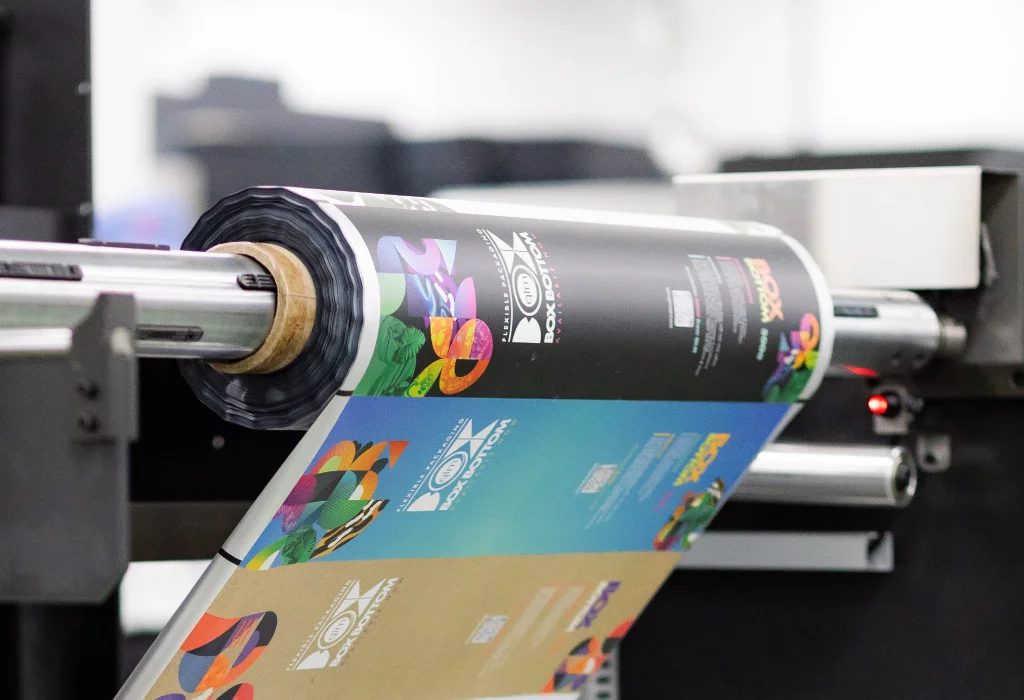
The packaging industry has undergone a radical transformation in recent years, with the rise of digital printing revolutionizing how products are packaged, marketed, and consumed. One of the most significant advancements within this space is digital flexible packaging, which has reshaped traditional print technology and opened new avenues for customization, cost-effectiveness, and sustainability. As consumer demand for personalized, high-quality, and environmentally friendly packaging grows, digital flexible packaging is set to play a pivotal role in the future of packaging solutions.
The Emergence of Digital Printing in Packaging
Traditionally, the packaging industry relied heavily on conventional printing methods such as flexography and gravure, which are cost-effective for large production runs but limit flexibility and customization. The rise of digital printing technology has changed this landscape by enabling manufacturers to print directly onto flexible packaging materials without the need for plates or lengthy setup processes. This shift has paved the way for shorter production runs, reduced waste, and faster turnaround times.
Digital printing allows for on-demand customization, making it an ideal solution for brands looking to create limited-edition packaging, seasonal variations, and personalized designs. It has also streamlined the supply chain, reducing the need for excess inventory and allowing businesses to be more agile in responding to market trends.
Benefits of Digital Flexible Packaging
- Customization and Personalization
Digital flexible packaging offers unparalleled design flexibility, allowing brands to tailor packaging designs to specific audiences. Variable data printing (VDP) technology enables the creation of unique packaging for different consumer segments, fostering greater engagement and brand loyalty. - Sustainability and Reduced Waste
With growing concerns about environmental sustainability, digital printing minimizes waste by eliminating the need for plates and reducing material consumption. Digital flexible packaging also supports eco-friendly initiatives by enabling the use of recyclable and compostable substrates, helping brands align with consumer preferences for sustainable packaging. - Cost-Effectiveness for Short Runs
Unlike traditional printing methods that require large-scale production to be economically viable, digital printing is cost-effective for short runs. This is particularly beneficial for small and medium-sized businesses (SMBs) and startups that need high-quality packaging without committing to large order quantities. - Speed and Efficiency
The agility of digital printing allows for faster production cycles, helping brands bring products to market quickly. This rapid turnaround is crucial for industries such as food and beverage, where packaging updates must keep up with changing regulations, promotional campaigns, and consumer preferences. - Enhanced Print Quality
Digital flexible packaging utilizes high-resolution printing technologies that produce vibrant colors, fine details, and precise imaging. This enhances the overall aesthetic appeal of packaging, making products stand out on crowded retail shelves.
Applications of Digital Flexible Packaging
Digital flexible packaging has found applications across multiple industries, including:
- Food and Beverage: Flexible pouches, sachets, and wrappers for snacks, beverages, and ready-to-eat meals benefit from digital printing’s adaptability and quick turnaround times.
- Personal Care and Cosmetics: The beauty industry leverages digital packaging for personalized skincare products, limited-edition packaging, and sample-size offerings.
- Pharmaceuticals: The pharmaceutical sector benefits from digital printing’s ability to produce variable data, including barcodes, batch numbers, and QR codes for enhanced traceability and compliance.
- E-commerce and Subscription Boxes: With the rise of e-commerce, digital flexible packaging allows brands to create customized packaging that enhances the unboxing experience and strengthens brand identity.
The Role of Digital Flexible Packaging in Branding
In today’s competitive market, branding is a key differentiator, and packaging plays a crucial role in a product’s perceived value. Digital flexible packaging allows brands to experiment with creative designs, test new concepts, and iterate quickly based on consumer feedback. The ability to print high-quality graphics, intricate patterns, and tactile effects enhances the sensory experience of packaging, helping brands forge deeper connections with customers.
Additionally, digital printing enables interactive packaging solutions, such as augmented reality (AR) and QR codes, which provide consumers with additional product information, promotional offers, and engaging digital experiences.
Technological Advancements in Digital Flexible Packaging
Recent technological advancements have further refined digital flexible packaging, making it more efficient and versatile. Some key innovations include:
- Hybrid Printing Solutions: The integration of digital and traditional printing techniques allows manufacturers to combine the best of both worlds, enhancing print quality and productivity.
- Eco-Friendly Inks and Substrates: The development of water-based and UV-curable inks has made digital printing more sustainable, reducing the environmental impact of packaging production.
- AI and Automation: Artificial intelligence (AI) and automation are streamlining the digital printing process, optimizing color management, and ensuring consistency across print runs.
- Smart Packaging Technologies: Digital printing enables the incorporation of smart features such as NFC (Near Field Communication) and RFID (Radio Frequency Identification), enhancing product authentication and supply chain transparency.
The Future of Digital Flexible Packaging
As technology continues to evolve, digital flexible packaging will become even more sophisticated, offering new possibilities for brands and consumers alike. The demand for personalized and sustainable packaging solutions is expected to drive further innovation in the digital printing sector. Additionally, advancements in biodegradable materials and compostable packaging options will reinforce the industry’s commitment to environmental responsibility.
With consumer expectations constantly shifting, brands that embrace digital flexible packaging will gain a competitive edge by delivering high-quality, customized packaging solutions that resonate with their target audience. The ability to produce limited-edition designs, interactive packaging, and eco-friendly materials will not only enhance brand perception but also contribute to a more sustainable future for the packaging industry.
Conclusion
The evolution of digital flexible packaging marks a significant milestone in the packaging industry, transforming print technology and redefining how brands connect with consumers. With its ability to provide customization, sustainability, cost-efficiency, and enhanced branding opportunities, digital flexible packaging is shaping the future of modern packaging solutions. As businesses continue to explore innovative ways to enhance their packaging strategies, digital printing technology will remain a driving force behind the industry’s ongoing transformation.